
Screven County Arrest Warrants Explained
Georgia law sets the frame. Under O.C.G.A. §17-4-40, a judge of a superior, state, city, magistrate, or qualifying municipal court may issue an arrest warrant once probable cause is shown from personal knowledge or sworn information. In Screven County, that variety matters, since the alleged offense and the locality decide which court signs the order. An arrest warrant is not a search warrant; one authorizes taking a person into custody, the other authorizes a search within its stated limits. The county publishes no active-warrant list online and has made no launch announcement. That speaks only to public access, not to whether arrest orders exist behind closed doors.
Screven County Has No Central List
Georgia.gov points people with warrant questions to the local sheriff and suggests having a first name, last name, date of birth, and county in hand. That makes the Screven County Sheriff's Office the practical first contact when the issuing court is unknown. Call (912) 564-2013 on a weekday between 8:00 AM and 5:00 PM. For tickets, the official Georgia Courts ticket guidance confirms there is no central ticket database, so local routing carries the day.
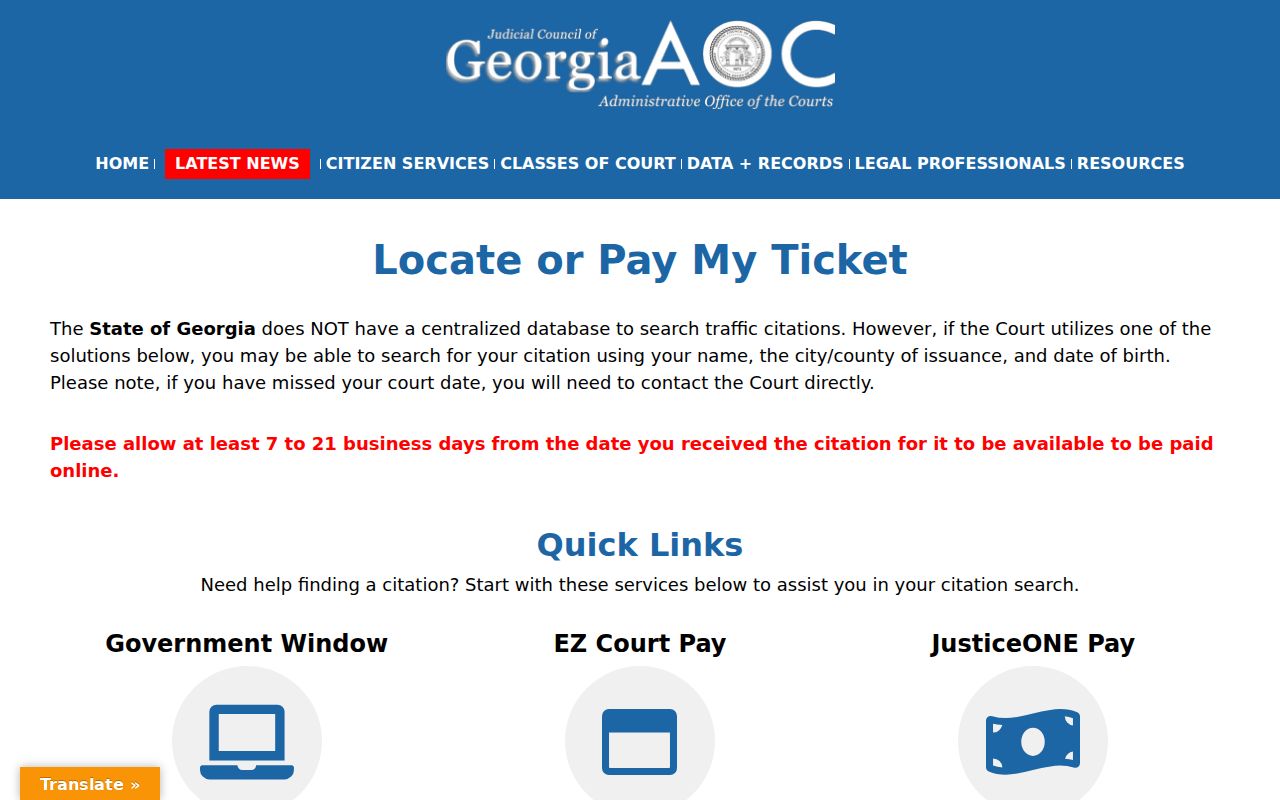
The lesson is local: contact Screven County directly. A private search result is not current warrant confirmation.
Inside a Screven County Arrest Warrant
A warrant document and its court record may show the named subject, the alleged offense, the issuing authority, the issue date, and the judicial command. Sealing, exemptions, or protected details can limit what the public sees. Ask the Screven County clerk about the actual record rather than guessing at formats.
- Named subject
- The person described by the judicial order, subject to identity verification.
- Alleged offense
- The legal basis stated in the warrant process, not a conviction.
- Issuing court
- The judge or court responsible for the order and later case action.
- Issue information
- The date and official identifiers shown on the actual record.
- Bond or release
- Only what the court has lawfully set for that case, if anything.
Rule 24.2 sends an original magistrate warrant back after arrest, for transfer to the prosecutor. That is one reason the Sheriff, the court, the prosecutor, and the clerk each hold different pieces of a Screven County file.
Screven County Restricted-System Boundary
GCIC and CJIS serve authorized criminal-justice users only. They are not public warrant databases. Nobody should try to scrape or work around their controls, and a Screven County criminal-history check from the Sheriff does not prove a live arrest warrant either. The Georgia Crime Information Center page explains the official system context.
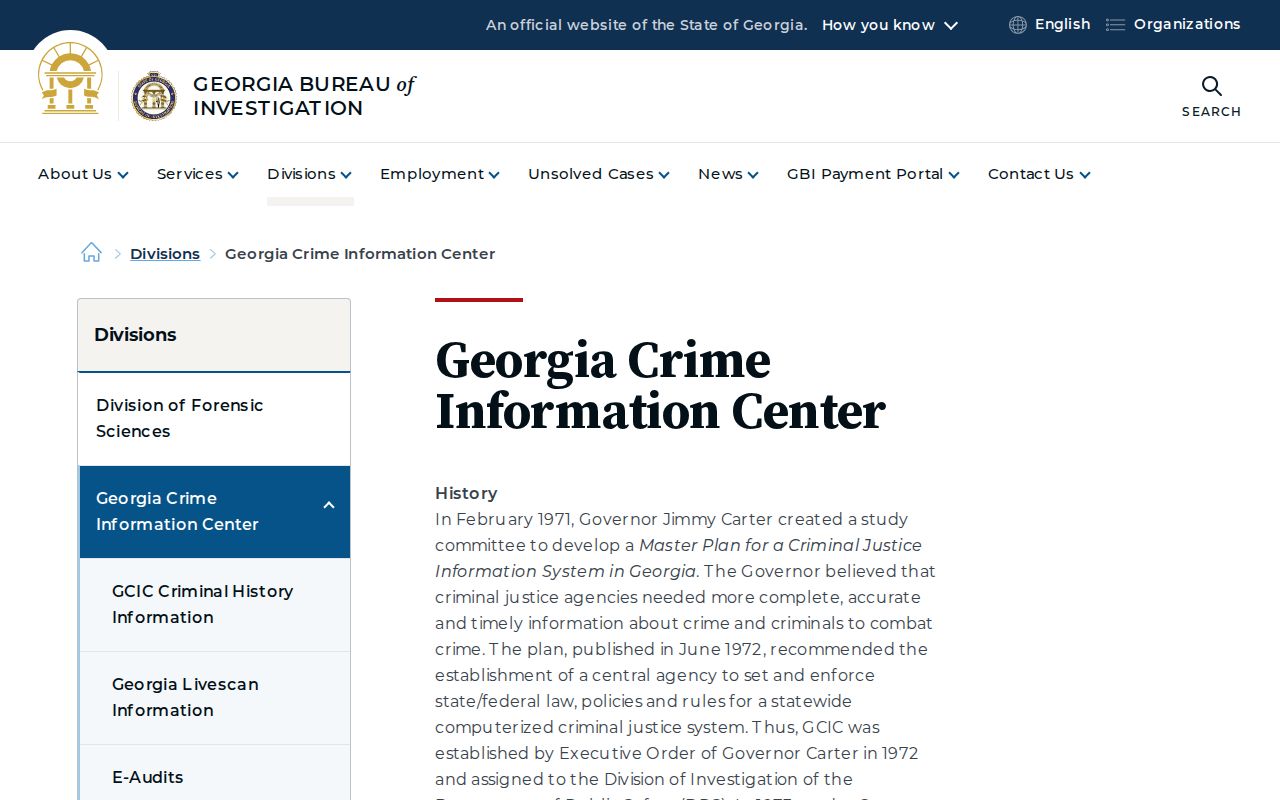
The practical line is simple: take a Screven County inquiry to the public Sheriff or court contact. Restricted law-enforcement infrastructure is off limits.
Serving Arrest Warrants in Screven County
The Screven County Sheriff lists warrant service among its public functions. City police may act within their own authority too, while the issuing court keeps the judicial record. Once an arrest happens, Georgia Rule 25.1 governs the initial appearance, advisements, counsel, commitment-hearing issues, and bail, with timing limits that hinge partly on whether a warrant existed and on stated exceptions. Service can come any time officers encounter the person. No official Screven source promises advance notice, a set voluntary-surrender window, or an after-hours bond method. So before driving to the office, ask counsel and the agency what safe, current procedure applies. Planning beats hoping, especially with an active warrant in play.
Screven County Open Records Limits
The Georgia Open Records Act supports a narrow request for an existing, identifiable non-exempt record, a policy, a procedure, or an aggregate count. It does not force an agency to build a warrant database or to unseal protected information. The Attorney General's guidance says an agency generally answers within three business days, or explains its timing, estimated cost, and any exemption it relies on. The Georgia Attorney General open-government FAQ also covers redaction and partial release.
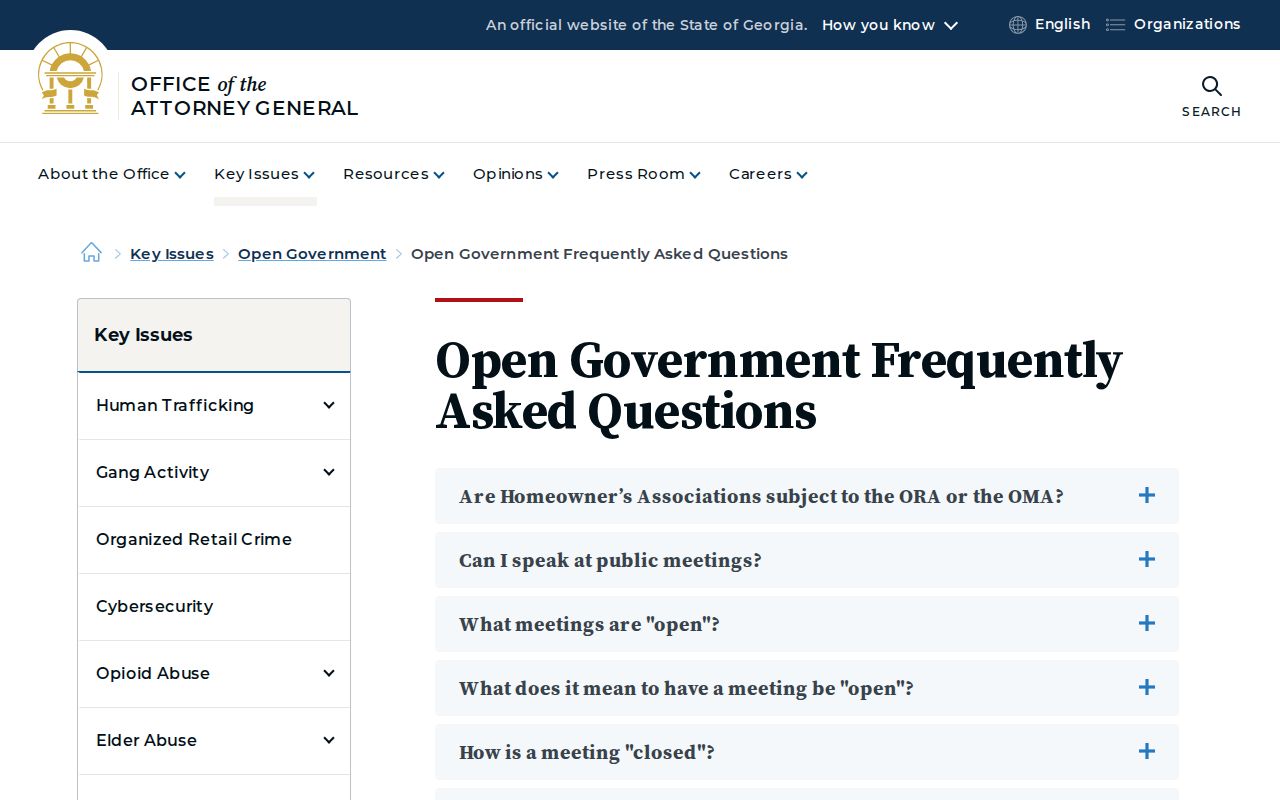
This route suits public procedure questions and record-custodian instructions in Screven County. It promises no arrest-warrant roster. Leave needless personal identifiers out of the request.
Comparing Arrest, Summons, and Bench Warrants
These papers call for different responses. An arrest warrant authorizes custody on probable cause. A summons orders an appearance without commanding an arrest. A bench warrant usually follows a missed duty inside an existing Screven County case. The record itself, not a casual label, decides which one applies.
| Feature | Arrest warrant | Summons | Bench warrant |
|---|---|---|---|
| Core command | Apprehend the named person | Appear as directed | Arrest for a court-related default |
| Basis | Probable-cause process | Notice to answer a matter | Missed appearance or obligation |
| First verifier | Issuing court or Sheriff | Court named on notice | Issuing court clerk |
| Response | Counsel, surrender, bond, court | Attend by the stated terms | Recall, quash, or appearance as ordered |
Missed a court date already? The Screven County bench warrant search has the right routing steps.
Screven County Traffic FTA Is Separate
A missed traffic matter in Screven County raises two separate problems: the court question and the license. The Georgia Department of Driver Services says an FTA suspension takes effect 28 calendar days after DDS receives the court's notice. Courts send releases electronically in most cases, but confirm with the court itself. Clearing the license never confirms or clears a separate arrest warrant. The DDS failure-to-appear page walks through that sequence.
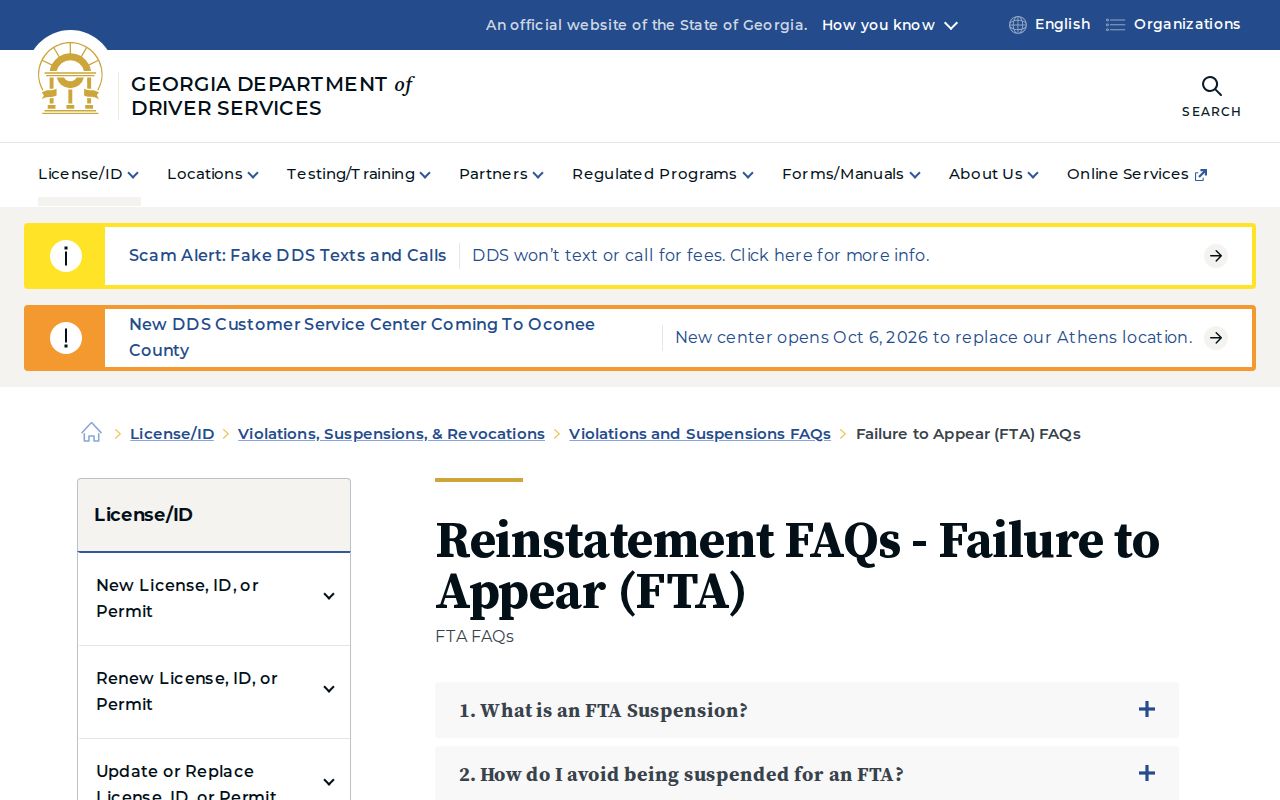
A vendor receipt is not the end of it. Confirm the court disposition, any warrant action, the release to DDS, and your license status separately, one Screven County step at a time.
If There Is an Arrest Warrant for You
Get a lawyer first if you can. Then verify the tip came from the Screven County Sheriff or the issuing court itself, and ask which office handles surrender, first appearance, and bond. Georgia allows cash, property, release on recognizance, and professional bondsmen. Eligibility and amount hinge on the charge, the statute, and the judge's order. No local bond schedule covers every case here.
- Record the official office, staff role, date, and case or warrant identifier.
- Ask an attorney about surrender, bond, and any lawful motion to recall or quash.
- Arrange transport, medication, child care, and other needs before a planned appearance.
- Follow the issuing court's instructions and keep every receipt and signed order.
Act carefully: An in-person warrant check may lead to custody, so discuss voluntary surrender, bond, and court options with an attorney first.
Screven County Scam-Resistant Confirmation
Pull the phone number yourself from the official Sheriff contact page instead of trusting a number inside a scary message. That is how most Screven County warrant scams start. Never pay a caller in gift cards, cryptocurrency, a wire, or any odd instant method. Reach any payment link through an official court, county, or city page.
County question
Call the Sheriff for local routing and warrant-service guidance when the issuing court is not known.
Court question
Ask the clerk what the docket shows and what order or appearance controls the next step.
A warrant's status can shift the moment a judge recalls it, a case is dismissed, or service happens in Screven County. So keep written proof of whatever you learn. A copied page, a private report, or something a deputy once said on the phone should never outweigh the current court record or a direct confirmation from the Screven County Sheriff. The courthouse and the Sheriff's headquarters sit at separate spots in Sylvania, and they answer different questions. Before you drive anywhere, call and ask which office owns yours, since court access, warrant service, and bond posting can run on separate schedules. That one call can save a wasted trip, though it promises nothing about what happens to custody, release, or a hearing that day.